The green valleys of Munnar

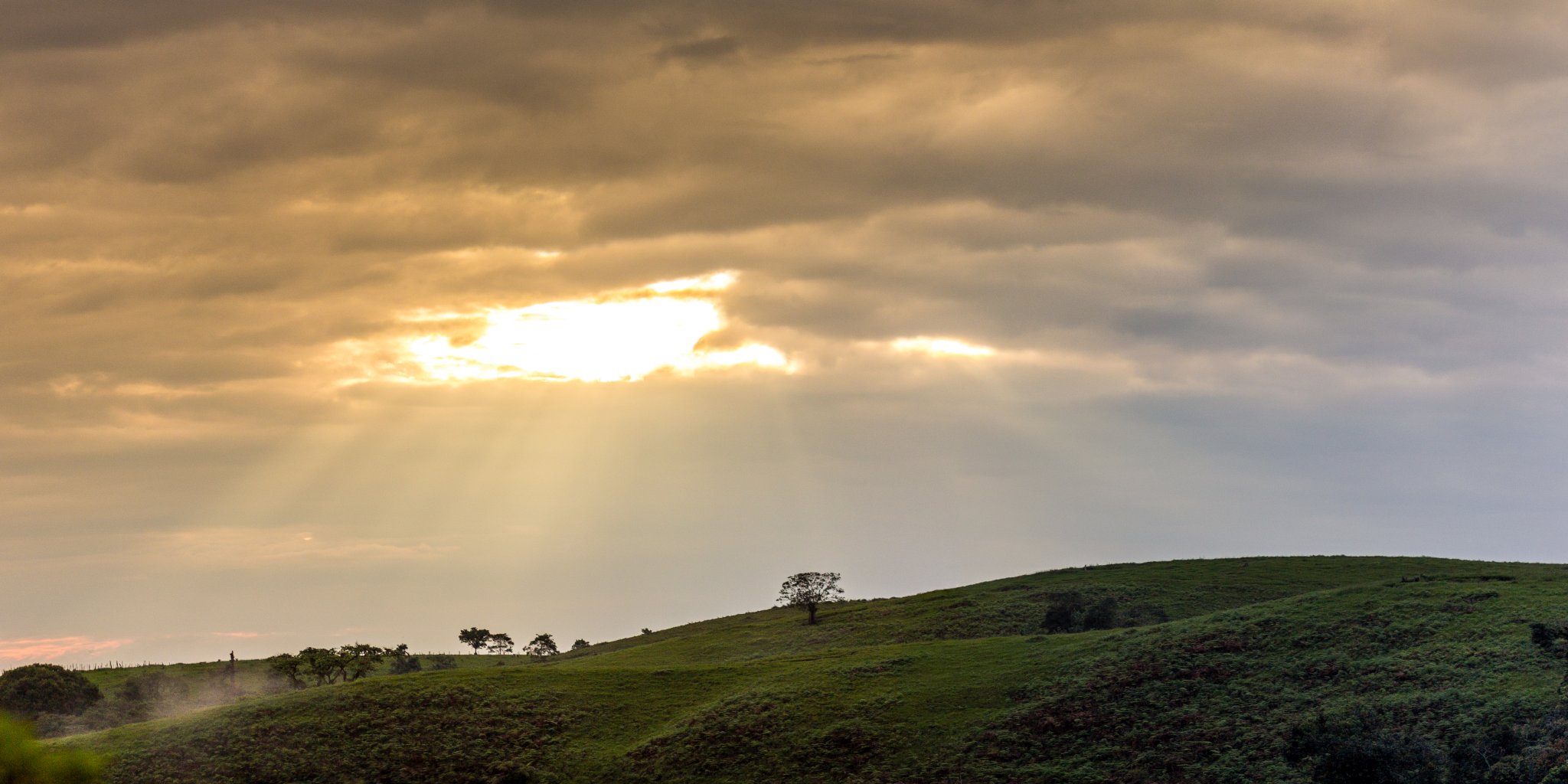
Munnar, Kerala, that is where the tea comes from. To get there it was a tough day of cycling. A climb of 2000 meter, and still no tea plantations in sight, I was exhausted and just looking for a bed and some food. Then I passed a curve and what I saw was breathtaking. A valley of a thousand shades of green. Tee trees everywhere and I stopped every few meters to take a picture.

munnar-4small

The city of Munnar itself lies on 1500 meter, and not only the surrounding hills and tea plantations make it a famous tourist destination, also the cool climate. The rest is not so different from another indian town. Noisy, dusty, full of hotels and tourist shops and travel agencies, and after searching for almost one hour I found the cheapest and smallest hotel room in town.

vlcsnap-000012small

Next day I cycled through this amazing landscape up to the so called “Top Station” and back to Munnar. On the way I met some people harvesting the tea.

munnar-6small

When you now think the local people must been drinking the best tea selection ever, you are wrong. What you get at the small tea stalls in town, is actually very bad quality. They use the tea leaves which fall down on the ground while harvesting, or so called tea dust.
The best quality, ready processed and packed , is only for export, the local people can´t afford it.
I bought some good coffee and chocolate, which is also produced around Munnar and continued my journey to Tamil Nadu.

Please click the pictures for full size:

Gods own country

Gods own country

That is the slogan of the Kerala Tourism Department. Kerala is the southest state of India at the west coast; 30 million people are living here on an area 10 times smaller than Germany. Kerala has the highest literacy rate in India (90 %) and the highest alcohol consumption per head.

So I couldn´t wait to reach the sea after all the time I traveled through landscapes full of deserts and mountains. I asked around for a nice beach and the people said: “Ettikulam beach. Fantastic! 15 Kilometer only.That way.” They didn´t tell me that there was a huge mountain in between and when I reached Ettikulam, a small fisher village, it was already dark.

I went to the beach, saw the stars twinkling trough the palm trees, felt the sand under my feet and heard the sound of the sea.

I put up my tent, but like the night in the desert, I wasn´t able to sleep much.I watched the sea coming nearer and nearer, listened to the sound of the waves when they broke and the  fizzling sound when they flodded the sand. I saw small crabs running left and right, try to catch some food out of the water without getting pulled inside the sea. It was a magical night.

camping at ettikulam beach

camping at ettikulam beach


Next morning the sun rose up and it became fast too hot to stay in the tent. I woke up, jumped out of my tent and ran into the sea. Some old fishermen watched me with curiosity.

Under the palm trees some guys were playing domino, and they invited me for the evening. I had almost forgotten that it was New Year’s Eve, and they planned to make a small party at the beach. One of the guys whispered to me, what I would prefer to drink, whiskey or brandy?

my new years friends

my new years friends

They were all Muslims in that village, but the young people assured me, only to drink on special occasions. Sadly, many of the old guys do not so. Everywhere in Kerala where I went to the beach and I looked in the eyes of the people, mostly fishermen, they were red and glassy, and I could smell the alcohol.

Sometimes in the villages there was a huge crowd of people in front of a store: Than it was the liquid store, where people buy cheap boost, or a store where poor people wait to get their part of rice and flour from the government.

Though Kerala belongs to the richer states in India, many people are poor here. It took a while for me to realize, because I haven´t seen so many beggars or people sleeping on the streets, in fact many people have their own small house, build out of stones or concrete, but that doesn´t mean they are not poor. There is no possibility of a job, no income, no way to make some money to feed the family, and sadly many men invest the small money they get somehow in alcohol.

The families which are better situated send their children to private schools and colleges, and then off to dubai or oman to work there. The money they send back home, is an important economic factor in kerala.

Another factor is the Tourism. Not only foreigners, also many Indian people come to Kerala, to see the beaches, the backwaters, hillstations and tea plantations in the mountains, and of course important religious pilgrim sites.

Have a look at the pictures and enjoy!

For full size please click on the pictures:


Into the desert

India, Rajastan, December 2012. I´m on my way to the thar desert. Not on a camel or a jeep, no, of course on my bicycle.

I think this video works well without words, enjoy it.

To watch the video in High Quality please watch it at the Vimeo website:

The cycle bug

I´m on the road for almost ten month now, so it is time for a small review:

For HD-Quality please watch the video on the Vimeo-Website.

Arriving in India

The border-crossing to India is quite straightforward. I passed the gate, where the day before the border closing ceremony took place, took a last picture with a Pakistani soldier and his bomb-sniffing dog, crossed the line and there I was – in India. But from the gate to the Indian Customs building it is two kilometer trough an area full of barbed wire and watchtowers. The border is far away from being busy. I was the only person who wants to cross and the formalities were done fast. “Wait” said the bored woman behind the counter, when I started to leave. “We have to check your bags.”

First step in India

First step in India

Wow, that was something new for me. At the entire borders I crossed, they never checked my bags. Sometimes they asked what’s inside, and at the borders to Irak, Iran, and also Pakistan I always pointed on my water bottles and said “Whiskey”. Then the soldiers laughed, and it was ok.
So this was the first time and they were serious about it. I put my bags into the Scanner, and prepared myself for unpacking everything. All my tools and Spare parts for the bike, the petrol-cooker, it must look like a bomb or something. But the guy behind the monitor had only eyes for his mobile.

So, “Welcome to India” I said to myself, and started cycling. In the first city, Amritsar, I saw the differences to Pakistan. The traffic is doubled, the noise also, and what I recognized the most were the women. Women without scarfs, groups of schoolgirls in their uniforms, the long black hairs plaited to pigtails, women driving scooters and cars, women with sunglasses and tight jeans. After almost five month in muslim countries, this was an unfamiliar but joyful sight for me.

the golden temple in amritsar

the golden temple in amritsar

Amritsar is famous for the golden Temple. It is the holiest shrine of the Sikhs, and many pilgrims come here from all over the country. The Temple itself is built in a pool of water, it is said that his roof is made of 750 kg pure gold.
I saw women kissing the floor, people bathing in the water of the holy pool around the temple, and people praying with a smile on their face. All over this scenery, loudspeaker broadcast the continuous chanting from priests inside the temple. This was really something different from all the Mosques I saw in the last time.

The Sikhs wear turbans and long beards

The Sikhs wear turbans and long beards

I watched all this with curiosity and made my way around the temple. In that moment I couldn´t imagine, that just two days later I will do the same like all the Worshippers, but in a smaller temple: I would cover my head, wash my feet, touch the doorframe of the temple, and knee down in front of the guru…

That day I got surprised by the dark, no hotel in town, hungry and tired, and an old guy gave me the advice to go to the “gurduwala”, that’s how the Sikhs call their temples. Because the Sikhs believe in Equality of all beings, they offer everyone food and a place to sleep.

women in the temple preparing food

women in the temple preparing food

Indian Punjab

The next days I crossed Indian Punjab, and of course me and my bicycle attracted a lot of attention, but one thing is different from the countries before: The people here are only interested in my bicycle. So when I stopped, a lot of people gathered around my bike, but I was able enjoy my cup of tea and watched people watching my bicycle. Nearly no one asked me questions; they just stared at my bike, rang the bell and touched everything.

cows area also inhabitansof  the Jaisalmer Fort

cows are also inhabitans of the Jaisalmer Fort

Finally I reached Jaisalmer, one of the touristic hotspots in Rajasthan. A big sandstone Fort is the main attraction, surrounded by hotels and guesthouses with “roof top restaurant”, and travel agencies which want you to sell a camel- or jeeptrip to the near Thar-dessert. Inside the fort are a lot of handicraft and souvenir-shops, nearly every shop sells also toilet paper and imported cigarettes for the many western tourists. This touristic thing was new for me, even on my first day in India, in Amritsar, I saw more tourists than in the last 3 months before.

handicrafts are sold everywhere

handicrafts are sold everywhere

So I wandered around the narrow lanes of the Fort, together with other tourists (Indians and Foreign), residents and some cows, watched at all the shops which nice stuff, clothes, bed sheets, leatherwork and antiques without the desire to buy anything. Also the food offer is big: Chinese, Italian, Tibetian, and of course Indian Food from all over the country are available, but prices are doubled or tripled if you compare it to the simple restaurants on the road, where I was used to eat the last days. Juices and Milkshakes everywhere, I still can´t say if I should like it or not – it was just different for me at that moment, a new experience.

I decided that I want to go to the Thar-dessert. But not on a camel or a jeep, which can be organized by almost everyone in Jaislamer. I want to go there on my bicycle of course.


rajblog16

Please click the pictures for full size:

/>

Last things from Pakistan

The last things from Pakistan I want to show you is a short video from a bikeride in Islambad. I met some other cyclists from the Critical Mass, a worldwide cyclist movement, they have it also in Pakistan.

For HD-Quality please watch the Video on the Vimeo-Website.

The second thing is an article about me, which was published in the blog section of a pakistani newspaper. I was really surprised when a friend from Pakistan send me that link, because I didn´t know about that…

The man who cycled pakistan because his heart told him to do so

So next time I will tell you about India.

Pakistan – Video

So, finally I can present you the Video from Pakistan. You have the chance to peek into a country, which is avoided by most cyclists and also many other tourists. It is only in the news when once again a terrorist-attack or a corruption scandal happened,but Pakistan is a lot more.
I missed it to collect some music from pakistan, and the only one I have is from the 60s or 70s, hope you like it.

To watch the video in HD-Quality, please watch it directly on Vimeo:

Discovering the world on a bicycle – Pakistan from Florian Schmale on Vimeo.

What cyclists have to say

2012 is over already and I still have some videos from last year which I want to show you.

So this is an Interview with Tim James Davies, life long cyclist on his way from Singapur to Manchester:

Tim James Davies – Cycling from Singapur to Manchester from Florian Schmale on Vimeo.

And this are some cyclists I met on the Danube in spring 2012. This video is in German language:

Begegnungen auf dem Radweg from Florian Schmale on Vimeo.

“Vertrau uns, wir sind deine Freunde”

In Multan hält der Bus irgendwo am Stadtrand an. Mein Rad wird abgeladen, ein letztes mal ertönt die Hupe, und da steh ich nun, die Packtaschen und das Rad neben mir. Es ist halb vier in der Nacht, es ist kalt und ich bin müde, die Busfahrt war nicht sonderlich angenehm. Ich frage ein paar Leute nach einem Hotel, ahnungslose Gesichter und Schulterzucken. Schließlich finden sich ein paar junge Männer die sich meiner annehmen und mit einem Rikshafahrer verhandeln. Er soll mich zu einem Hotel in der Innenstadt fahren, bzw. vorweg fahren und ich auf dem Rad hinterher. Irgendwann werden sie sich über einen Preis und auch die Richtung einig. Die 5 Jungs steigen ein, der Fahrer gibt mir einen Wink und die Rikscha knattert los. Moment, wollten die Jungs hier nicht auf einen Bus nach Lahore warten?

Foggy atmosphere in Multan

Foggy atmosphere in Multan

5 Kilometer sollen es bis zum Zentrum sein. Das kann genauso gut 3 oder 10 bedeuten, ich habe gelernt, vorsichtig mit solchen Angaben umzugehen. Es geht durch eine menschenleere Gegend, alle Läden mit Metallrollos verschlossen, Müll liegt auf der Straße. Ab und zu kommt uns ein Motorrad entgegen. Die Straßenlampen schneiden orangene Kegel in die neblige Luft. Irgendwann wird die Straße schmaler, es geht an einem Park vorbei und die Beleuchtung hört auf. Das soll der Weg ins Zentrum sein? Jetzt ist es an der Zeit zu Vertrauen – oder Angst zu haben. Die beiden Jungs hinten auf der Rikscha merken meine Zweifel. „Vertrau uns, wir sind deine Freunde. Wir wollen dir helfen.“ Erneut geben sie mir die Hand. Ich füge mich meinem Schicksal und strampel weiter hinter den roten Rücklichtern her. Irgendwann wird es wieder heller, ein paar Läden haben geöffnet, Bäckereien und ein Kiosk. Aber so wie man sich das Zentrum einer drei-millionen-stadt vorstellt, sieht es nicht aus.
Die Rikscha hält an, die Jungs und der Fahrer springen ab und umringen mich. Sie schütteln mir die Hand und grinsen. „Hier bist du. Dort drüben ist ein Hotel, und in der Straße da sind auch mehrere“. „Welcome to Pakistan“. Die Rikscha brauche ich nicht zu bezahlen, und ich bekomme gleich 3 Telefonnummern, falls ich irgendwelche Probleme habe, und ich ärger mich über meine Zweifel.

pakblog05

Die Hilfsbereitschaft und die Gastfreundschaft welche ich schon im Iran erlebt habe, hält auch in Pakistan an. Die Menschen sind sehr neugierig und neben den üblichen Fragen höre ich hier oft „Bist du Muslim?“ und „Ost- oder Westdeutschland?“

Ich finde meinen Platz auf der Straße zwischen vollbeladenen LKW, Bussen, Autos, Motorrädern, Rikschas, Esel-, Pferde-, und Ochsenkarren, und anderen Fahrrädern, und radel Richtung Islamabad. Abends habe ich manchmal Probleme einen Schlafplatz zu finden: Zelten ist schwierig, da überall Menschen wohnen, und in den kleineren Städten gibt es oft keine Hotels und ich muss weiter in die nächste Stadt fahren.
Auch die Polizei ist freundlich aber ein bisschen zu sehr um meine Sicherheit bemüht. Ist Punjab doch einer der sicheren Gebiete Pakistans, mir wird gesagt ich könnte auch ohne Probleme nachts radeln, kommt es häufig vor dass ich abends im Hotel Besuch von der örtlichen Polizei bekomme, die jede Menge Fragen stellt. Eine Nacht schläft ein Polizist auf einer Matratze vor meinem Zimmer, eine andere Nacht wird mir verboten das Hotel zu verlassen, da in der Nacht eine religiöse Veranstaltung ist und diese öfters das Ziel von Anschlägen sind. Am nächsten Morgen muss ich um 6 Uhr die Stadt verlassen, die Polizei hat Angst wenn mir etwas passiert, gibt es wieder schlechte Nachrichten über Pakistan.

Islamabad

Islamabad from the Margalla Hills

Islamabad from the Margalla Hills

Islamabad ist die Hauptstadt, und anders als die anderen Städte. In den 60er Jahren im großen Maßstab geplant, ist die Stadt in Quadrate unterteilt, sauber und geräumig. In jedem Quadrat gibt es einen „Market“, wo Geschäfte und Restaurants sind.
In Islamabad leben hauptsächlich Menschen, die für die Regierung arbeiten, die UN, NGOs oder große Firmen. Die Häuser haben alle eine Mauer, viele einen privaten Wachmann davor, und viele Polizeiposten an den Straßen.
Ich komme bei Zeeshan unter, einem Couchsurfer, welcher, wie viele der gebildeten Menschen hier, in den USA studiert hat und nun zurückgekehrt ist. Er wohnt mit seiner Familie in einer kleinen Wohnung, abends kommt eine Frau zum kochen und putzen. Es ist selbstverständlich hier, dass die Leute Hausangestellte aus den armen Bezirken haben, es ist eine Art gegenseitige Abhängigkeit.

Lahore

normal traffic in Lahore

normal traffic in Lahore

Lahore ist ganz anders. Laut, dreckig, chaotisch, lebendig. Es gibt viel zu sehen und zu entdecken hier. Viele alte mächtige Gebäude aus der Zeit der Engländer, große Parks mitten in der Stadt, riesige Basare, verwinkelte Gassen in der Altstadt, ein mächtiges Fort und herrliche Moscheen. Ich lerne Dilhas kennen, einen jungen Mann der es sich nicht nehmen lässt, mir die Stadt zu zeigen, und vehement alle Versuche meinerseits etwas zu bezahlen ablehnt. An meinem letzten Abend in Pakistan ruft er mich an und möchte mich morgens noch einmal treffen. Er wartet schon vor meinem Hotel, mit einer riesigen Tüte voller Erdnüsse, Äpfel und pakistanischen Süßigkeiten. Vollbeladen mit dem Essenskram und guten Erinnerungen mache ich mich auf zur Grenze nach Indien.

Nice present from a friend

Nice present from a friend

Von Iran nach Pakistan

„Pakistan? Ist das nicht gefährlich?“ Vielleicht ein wenig, zumindest wen man von Iran über Land einreist. Schon im Iran, 400 km vor der Grenze, werde ich von der Polizei gestoppt, und erst nach einer langen Diskussion darf ich weiterfahren. Allerdings begleitet von einem Polizeiauto, welches im Abstand von 10 Metern hinter mir her fährt. Nach ein paar Stunden wird es den Polizisten zu langweilig. Sie laden mein Rad auf einen Pickup, und bringen mich zum nächsten Polizeiposten. Dort wieder eine Diskussion, eine Stunde warten, bis ein Militärjeep mit 4 Soldaten kommt; Ich und mein Rad werden umgeladen. So geht es weiter bis Zahedan, der letzten großen Stadt vor der pakistanischen Grenze. Ich werde zu einem Hotel begleitet, und am nächsten Morgen steht bereits die Polizei vor der Tür und wartet auf mich. Die letzten hundert Kilometer zur Grenze bekomme ich kein Fahrzeug, ich muss mit einem Soldaten von Checkpoint zu Checkpoint trampen, es dauert den ganzen Tag.

No way to cylce. I had to put my bike on a Pick-Up.

Die Überquerung der Grenze ist einfach. Auf iranischer Seite ein großes Grenzgelände, eine riesige Halle mit Gepäckband und Durchleuchtungsmaschine wie an einem Flughafen, doch kaum Leute sind zu sehen. Ich bekomme meinen Ausreisestempel in den Pass, dann geht es, immer noch in Begleitung von einem Soldaten, durch ein unscheinbares Metalltor, und ich bin in Pakistan. Eine kleine Hütte beherbergt das Passbüro, daneben ein Haus mit einem Schild „Customs“. Ein Polizist steht auch schon bereit, um mich zur Wache zu bringen. Dort muss ich mich, wie jeder Ausländer, in ein Buch eintragen, bekomme einen Soldaten als Bewachung mit, und laufe ins Dorf.

Puncture on the way to Quetta.

Ich sitze im Bus nach Quetta. Neben mir ein siebzigjähriger Soldat mit Maschinengewehr, zu meiner Sicherheit. In dieser kargen Wüstenregion haben verschiedene Stämme das Sagen, der Einfluss der Regierung ist begrenzt. Es ist nachts, die Strasse ist in katastrophalem Zustand doch der Fahrer denkt gar nicht daran langsam zu fahren. Ich nicke ein, bis mich jemand unsanft an der Schulter rüttelt. Eine Taschenlampe blendet mich und eine Stimme brüllt “Ah Tourist”. Der Soldat ist verschwunden, statt dessen steht ein Mann im Bus, die traditionelle lange Kleidung an, um den Kopf und Gesicht ein Tuch gewickelt, eine Kalaschnikow baumelt locker von seiner Schulter. Die Musik, die während der Fahrt ohne Pause und in voller Lautstärke aus einem alten Lautsprecher rasselte, ist verstummt. Auch die anderen Passagiere sind still und schauen mich an. “Passport”, brüllt der Mann. Ich finger nervös meinen Pass aus der Tasche und reiche ihn hinüber. Der Mann schlägt ihn auf, falschrum, und ruft “Name?”-”Florian”, “Fathers name?” – “Schmale”. Er blickt mich eine Weile ein, reicht mir meinen Pass zurück und steigt aus. Auch in den Gesichtern der anderen Passagiere meine ich Erleichterung zu erkennen.

I´m not the only traveller which is passing trough Quetta.

Von Quetta geht es, wieder mit dem Bus, weiter nach Multan. Die Veränderung der Landschaft könnte drastischer nicht sein: Von der kargen und tristen Wüstenlandschaft geht es ins fruchtbare Industal. Überall grüne Felder, Flüsse, Vogelschwärme, Frauen in bunten Kleidern und Männer in langen Gewändern wuseln umher. Nach den letzten Wochen ist dies ein komplett neuer Anblick für mich, und ich drücke meine Nase am Busfenster platt bis es draussen stockdunkel ist.
Von Multan an darf ich endlich wieder Fahrrad fahren.

Please click the photos for full size: